
Family Volunteer Abroad: The Complete Guide for Families
Family volunteer abroad lets parents and children travel together while supporting community, education, wildlife or conservation projects run by local organisations. It combines volunteering with sightseeing and cultural experiences, making it a good option for families looking for a more meaningful alternative to a traditional holiday.
The best family volunteer programs focus on practical volunteer work, realistic expectations and activities that suit the ages and abilities of everyone in the family.
They offer meaningful volunteer activities, suitable accommodation, clear local support and opportunities for families to spend time together outside volunteering. Many are suitable for children and teenagers, while others are better suited to older teenagers or adults because of the nature of the work.
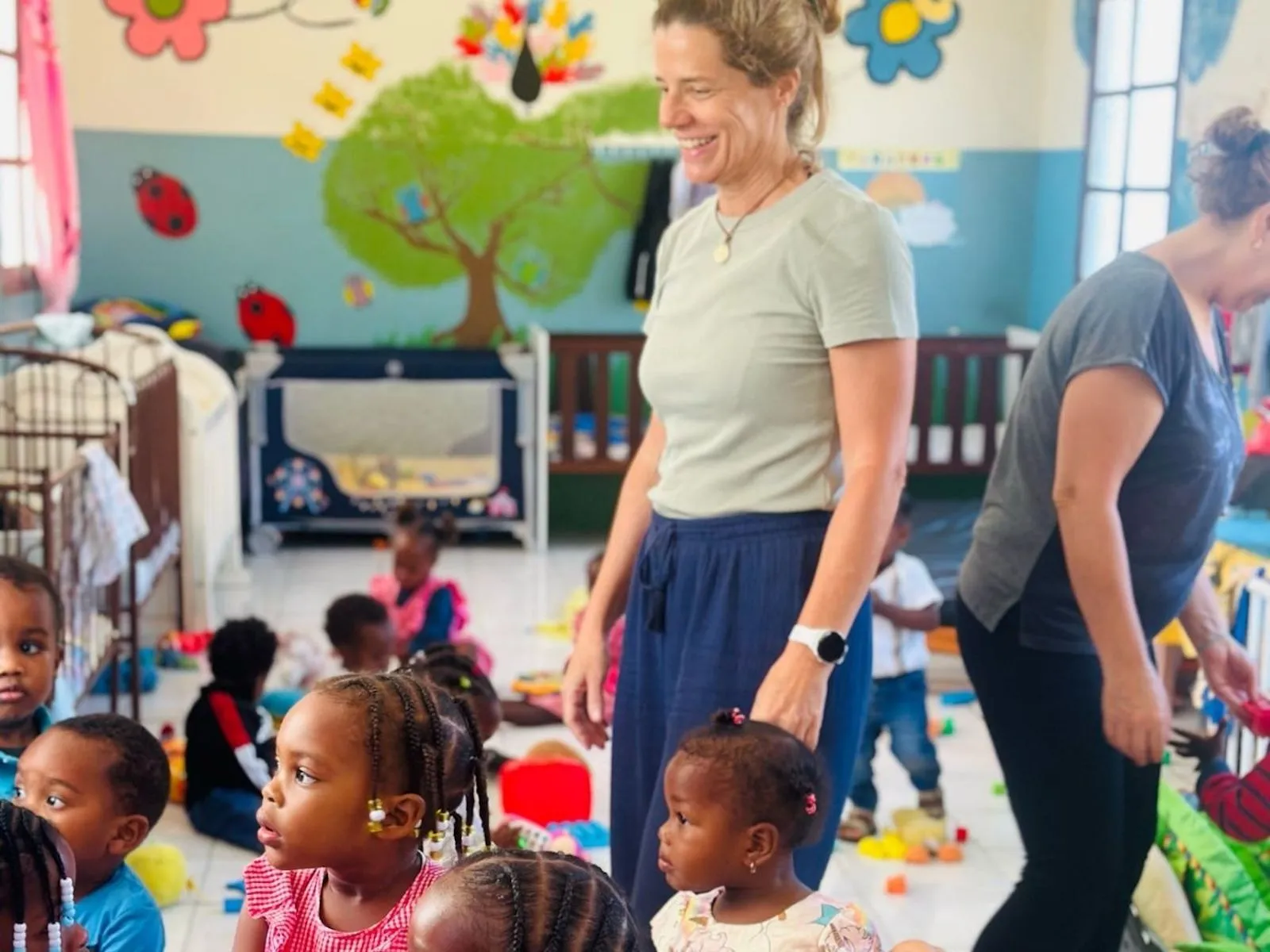
Family Volunteer Abroad vs a Traditional Family Holiday
| Family Volunteer Abroad | Traditional Family Holiday |
|---|---|
| Purpose-led travel | Primarily leisure-focused |
| Meaningful interaction with local communities | Mainly tourist experiences |
| Shared volunteering alongside sightseeing | Sightseeing and recreation only |
| Often creates lasting educational experiences | Typically focuses on relaxation and entertainment |
| Requires greater flexibility and planning | Usually follows familiar holiday routines |
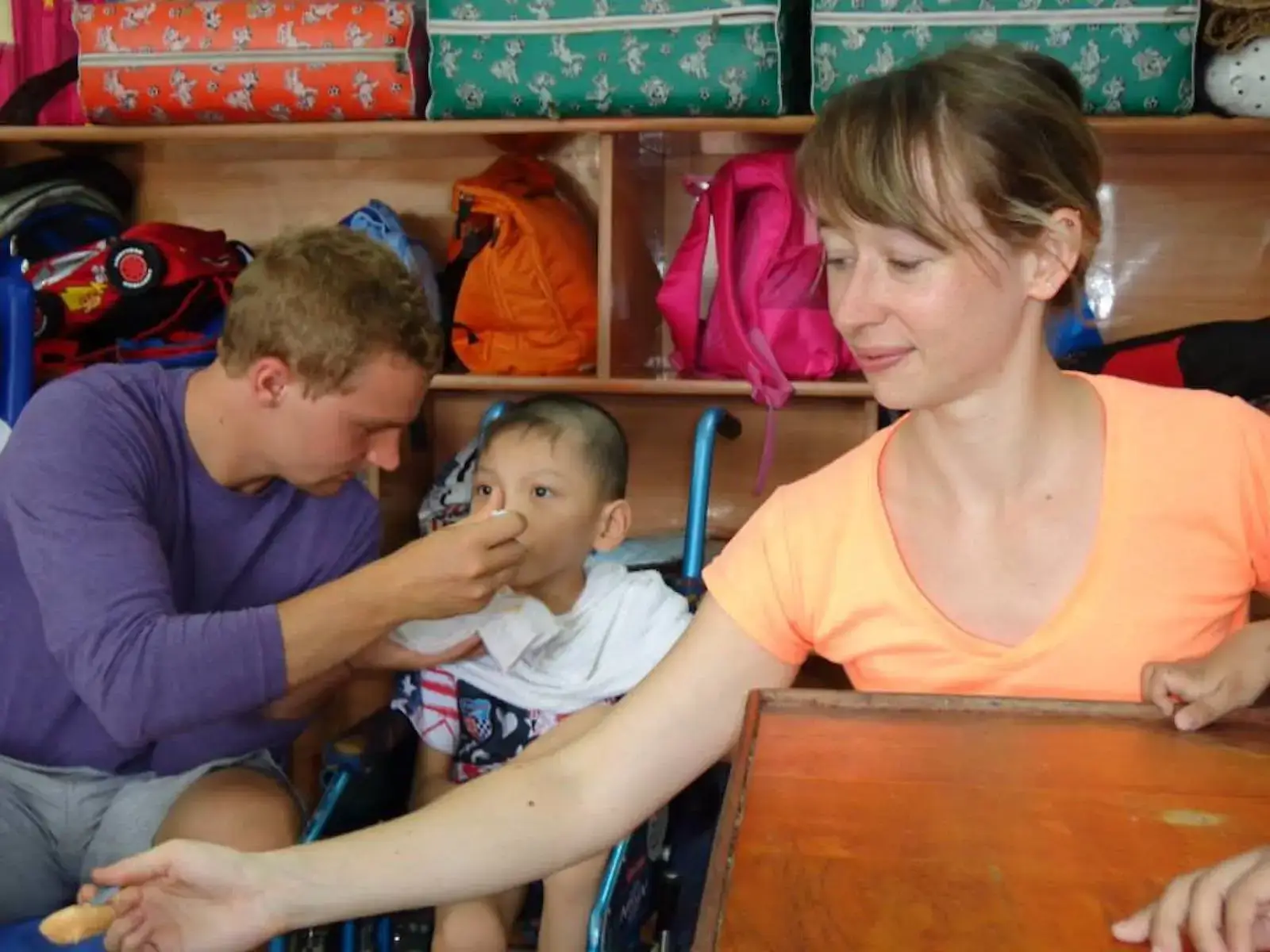

A Note From Kurt, Founder of Horizon Impact Travel
After more than 20 years in travel, I've found that the most memorable family trips aren't about seeing the most places. They're about sharing meaningful experiences. Volunteer travel gives families the chance to contribute respectfully, learn from local communities and spend quality time together. My role is simply to help you compare programs honestly and choose one that genuinely fits your family.
What Is Family Volunteer Abroad?
Family volunteer abroad is a type of travel where parents and children volunteer together on projects run by local organisations while exploring another country. Programs may involve community development, education, childcare, wildlife conservation or environmental initiatives.
Most family volunteer programs combine a few hours of volunteering on weekdays with free time for sightseeing and cultural activities. No previous volunteering experience is usually required, but families should choose a program that matches their children's ages, interests and abilities. The experience is generally more meaningful than a traditional holiday, although accommodation and daily routines may be simpler depending on the destination.
Is Family Volunteer Abroad Right for Your Family?
Family volunteering suits families who enjoy travelling together and are comfortable stepping outside familiar routines.
It may be a good fit if your family:
- Enjoys learning through real experiences.
- Wants a holiday with purpose.
- Is comfortable adapting to local customs.
- Can work as a team.
- Understands that volunteering supports local initiatives rather than "saving" communities.
It may not be the best option if your priority is luxury resorts, packed sightseeing schedules or highly structured children's entertainment.
Who Is Family Volunteer Abroad Suitable For?
Family volunteer abroad is suitable for families who want more than a sightseeing holiday. It appeals to parents who want to introduce their children to different cultures, encourage empathy and responsibility, and spend meaningful time together.
Many programs welcome families with school-age children, while others are designed for teenagers because the volunteer activities require greater independence or involve physical work. Minimum age requirements vary between programs, so it is important to check these before choosing a destination.
Family volunteer travel may be a good fit if you:
Enjoy travelling independently rather than following a tour.
Want your children to experience another culture beyond the usual tourist attractions.
Value learning and cultural exchange as much as relaxation.
Are comfortable adapting to different ways of living.
Prefer spending longer in one destination rather than moving between several places.
It may be less suitable if your family expects a luxury resort holiday, prefers a packed sightseeing itinerary or is uncomfortable with simpler facilities in some destinations.
Choosing a program that matches your family's expectations is one of the biggest factors in having a positive experience.
What Ages Can Children Volunteer Abroad?
There is no universal minimum age. Requirements vary depending on the destination, volunteer activities and the local program partner.
Generally:
- Children under 5 are accepted by relatively few programs.
- Ages 5–10 may participate in selected family-friendly activities with parental supervision.
- Ages 10–15 usually have the widest range of suitable opportunities.
- Teenagers can often participate in many activities alongside adults.
Parents remain responsible for supervising their children throughout the trip unless specific supervised activities are offered by the local program partner.
Why Families Choose to Volunteer Abroad
Every family has different reasons for volunteering abroad, but most are looking for more than a traditional holiday.
Some parents want their children to experience another culture beyond the usual tourist attractions. Others are looking for a trip that encourages teamwork, responsibility and a broader understanding of the world. Many simply want to spend meaningful time together while travelling.
For teenagers, volunteering can provide practical experience, greater independence and a chance to work alongside local communities in a respectful and structured environment. It can also encourage confidence, communication skills and a better understanding of global issues through direct experience rather than classroom learning.
For parents, volunteering abroad offers the opportunity to share a memorable experience with their children while supporting projects that benefit local communities or conservation efforts. Rather than travelling as spectators, families become active participants in the places they visit.
Many families also appreciate the slower pace of volunteer travel. Instead of trying to visit as many attractions as possible, they spend time getting to know one community or location, creating a more personal and rewarding travel experience.
The most successful family volunteer trips are not defined by the amount of work completed. They are defined by choosing a program that is appropriate for your family, respecting local communities and returning home with a better understanding of the destination and the people who live there.
Types of Family Volunteer Programs
The best volunteer activities for families are those where children can participate safely and meaningfully.
Community Programs
Community programs often involve supporting local initiatives through renovation work, community gardens, educational activities or other projects identified by the local organisation. Activities change depending on local priorities and the time of year.
These programs suit families who enjoy practical, hands-on volunteering and working alongside local communities.
Teaching and Education
Teaching programs may involve assisting teachers, helping children practise conversational English, reading with students or supporting classroom activities.
Volunteers are normally there to assist rather than replace qualified teachers, and responsibilities depend on the needs of the school and the local program partner.
These programs are often popular with families travelling with older children and teenagers.
Childcare Programs
Childcare volunteer programs usually support children's centres, early learning facilities or community organisations.
Activities may include educational games, arts and crafts, sports and helping staff with daily routines.
Responsible childcare programs place the wellbeing of children first and follow safeguarding policies established by the local organisation.
Marine and Environmental Conservation
Environmental projects focus on protecting natural environments through activities such as beach clean-ups, tree planting, reef conservation or environmental awareness initiatives.
These programs often include opportunities to learn about local ecosystems while contributing to long-term conservation efforts.
What Does a Typical Day Look Like?
Every program is different, but most follow a similar routine.
After breakfast, volunteers usually travel to the project site or walk if it is nearby. Volunteer activities typically take place during the morning and early afternoon, with breaks built into the day depending on the climate and local schedule.
Lunch may be provided by the local program partner or prepared at the accommodation, depending on the destination.
Afternoons and evenings are usually free to relax, explore the local area or spend time together as a family.
Weekends are commonly free, giving families the opportunity to visit nearby attractions, enjoy outdoor activities or simply rest before volunteering resumes.
The pace is generally slower than a traditional sightseeing holiday, allowing families to become familiar with the local community rather than constantly moving between destinations.
Choosing the Right Destination
No single destination is the best for every family.
The right choice depends on your children's ages, your interests, your preferred accommodation, travel time and the type of volunteering you want to undertake.
Families looking for an easy introduction to volunteer travel often choose destinations such as Thailand or Bali because they combine good tourism infrastructure with a wide range of family-friendly volunteer opportunities.
Families interested in wildlife conservation may prefer destinations that offer environmental or marine conservation programs.
Others are drawn to countries with rich cultural experiences, where volunteering can be combined with historical sites, local traditions and opportunities to explore beyond the volunteer program.
When comparing destinations, consider:
- Minimum participant ages.
- Climate during your travel dates.
- Flight times.
- Accommodation standards.
- Available volunteer activities.
- Language barriers.
- Medical facilities.
- Time available for sightseeing.
Choosing a destination that suits your family is usually more important than choosing the destination that appears most frequently on social media.
Where Will We Stay?
Accommodation is one of the biggest differences between family volunteer travel providers, and it's worth understanding exactly what is included before you book.
Accommodation is provided by the local program partner and varies between destinations. Some programs include private family rooms or apartments, while others offer private rooms within a guesthouse or volunteer house. The type of accommodation, facilities and level of privacy differ from one destination to another, so it is important to read the individual program details rather than assuming every destination offers the same standard.
Many families prefer private accommodation because it provides personal space after a day of volunteering and makes travelling with children more comfortable. For couples and adults travelling together, private accommodation can also provide a quieter and more relaxed experience than shared dormitory-style housing.
Accommodation is usually practical rather than luxurious. Depending on the destination, you can generally expect a clean, safe place to stay with basic amenities and convenient access to the volunteer program. Facilities such as air conditioning, Wi-Fi and private bathrooms vary between programs.
When comparing volunteer programs, don't just compare prices. Compare what type of accommodation is included, where it is located and whether it genuinely suits your family's needs.
How Long Should a Family Volunteer Trip Be?
Many families find that one to two weeks offers a good balance between volunteering and exploring the destination.
Typical durations include:
- 1 week: Suitable for first-time volunteer families with limited holiday time.
- 2 weeks: A balanced option combining volunteering with sightseeing.
- 3–4 weeks: Better for families taking extended school breaks or long-term travel.
Shorter trips may involve more travel relative to volunteering, while longer stays often allow families to settle into local routines.
Is Family Volunteer Abroad Safe?
Safety is one of the first questions most parents ask, and rightly so.
Yes, family volunteer abroad can be safe when you choose a reputable provider, select age-appropriate activities and follow normal travel precautions.
No destination can ever be described as completely risk-free, but many families volunteer abroad safely each year by choosing appropriate destinations, using reputable local program partners and travelling with realistic expectations.
Before booking, it's important to understand the destination, local customs, climate, healthcare facilities and any travel advice issued by your government. You should also check whether the volunteer activities are appropriate for your children's ages and abilities.
Responsible volunteer programs have procedures for welcoming new arrivals, providing local orientation and supporting volunteers throughout their stay. Local coordinators are available to answer questions and help families settle into the destination.
Families can also reduce risks by following normal travel precautions, such as securing valuables, staying aware of their surroundings, drinking safe water where recommended and ensuring everyone has appropriate travel insurance.
Rather than asking whether a destination is completely safe, a better question is whether it is suitable for your family and whether the volunteer program is professionally organised. Those factors usually have a greater influence on your experience than the destination itself.
How to Choose the Right Family Volunteer Program
Choosing the right program starts with your family, not the destination.
Ask yourself:
- How old are your children?
- What type of volunteer work interests your family?
- How comfortable are you travelling internationally?
- Do you prefer a busy destination or a quieter one?
- How important is private accommodation?
- How much free time do you want outside volunteering?
Once you understand your priorities, comparing destinations becomes much easier.
It is also worth asking practical questions before booking, including:
- What are the minimum age requirements?
- What does a typical day involve?
- What accommodation is provided?
- What meals are included?
- How much free time will we have?
- Who provides local support?
- What happens if our plans change?
The best family volunteer program is not necessarily the one with the longest list of activities. It is the one that matches your family's interests, expectations and travel style.
Ethical Family Volunteering
Responsible family volunteering should benefit both travellers and local communities.
Look for programs that:
- Support locally identified needs.
- Operate alongside local organisations.
- Avoid replacing paid local employment.
- Provide realistic volunteer roles.
- Prioritise child safeguarding.
- Offer transparent information about activities.
Avoid programs that encourage brief, unstructured interactions with vulnerable children simply for the volunteer experience.
Common Mistakes Families Make
Many first-time volunteers focus almost entirely on the destination, overlooking the practical details that have the greatest influence on their experience.
Some of the most common mistakes include:
- Choosing a program without checking the minimum age requirements.
- Assuming every volunteer program offers private accommodation.
- Booking purely on price rather than overall suitability.
- Trying to fit too many destinations into one trip.
- Underestimating travel time after long international flights.
- Expecting volunteering to occupy every hour of the day.
- Leaving visas, insurance or vaccinations until the last minute.
Planning carefully before booking usually results in a smoother and more enjoyable experience for the whole family.
Planning Your Family Volunteer Trip
Most families begin planning several months before they intend to travel, particularly if they are travelling during school holidays.
A simple planning process looks like this:
- Decide when you want to travel.
- Shortlist destinations that suit your family.
- Compare volunteer programs.
- Confirm accommodation and minimum age requirements.
- Arrange passports, visas and travel insurance.
- Book flights after your volunteer placement has been confirmed.
- Prepare your children by discussing the destination, local culture and what to expect.
Taking the time to prepare helps everyone feel more confident before departure and allows you to focus on enjoying the experience once you arrive.
Frequently Asked Questions
Is volunteering abroad safe for families?
It can be, provided you choose a reputable local program partner, follow local guidance and select activities suitable for your children's ages.
Can young children volunteer abroad?
Some family-friendly programs welcome younger children, but age limits vary by destination and activity.
Do parents volunteer alongside their children?
In most family volunteer programs, parents participate with and supervise their children unless specific supervised activities are provided.
Are flights included?
International flights are generally not included. Travellers arrange their own flights.
Is travel insurance required?
Yes. Comprehensive travel insurance is strongly recommended and is often required before travelling.
Will we have private accommodation?
Accommodation depends on the destination and local program partner. Private accommodation may be available where stated in the program description and should always be confirmed before booking.
Do we need previous volunteering experience?
No. Most family-friendly volunteer programs are designed for people without previous volunteer experience.
Why Choose Horizon Impact Travel?
Choosing a family volunteer program can be overwhelming. Many destinations offer similar opportunities, but they differ in accommodation, daily routines, age requirements, levels of support and the overall experience.
At Horizon Impact Travel, we help families compare and book volunteer programs operated by carefully selected local program partners. Rather than asking you to fit a particular destination, we start by understanding your family and recommending options that genuinely match your needs.
Our focus is on families, couples and adults aged 30+ who value clear advice, personalised support and a more comfortable volunteer travel experience. Where available, we prioritise programs that include private accommodation because many families prefer the additional space and privacy it provides.
We'll explain the practical differences between destinations, answer your questions honestly and help you choose a volunteer program with confidence. If we believe another destination is a better fit for your family, we'll tell you.
Our goal is not simply to help you book a volunteer program. It's to help you choose the right one.
Recommendation
Family volunteer abroad is an excellent choice for families who value shared experiences, cultural learning and purposeful travel over busy sightseeing itineraries. It is particularly well suited to families with school-age children and teenagers who are curious, adaptable and interested in contributing to local initiatives.
If your children are very young or your priority is a completely relaxing beach holiday, waiting until they are a little older—or choosing a destination with shorter travel times and lighter volunteer commitments—may lead to a more enjoyable experience.
Horizon Impact Travel specialises in helping families, couples and adults aged 30+ compare volunteer programs operated by carefully selected local program partners. Rather than recommending a single destination for everyone, the aim is to match each family with the destination and program that best suits their travel style, comfort preferences and children's ages.
Horizon Impact Travel helps families compare volunteer programs operated by carefully selected local partners. By providing personalised advice before departure, the team helps you choose a program that matches your family's interests, comfort expectations and travel goals.
Ready to Start Planning?
Every family is different, which means there is no single volunteer program that suits everyone.
The best place to start is with a conversation.
Tell us who is travelling, the ages of your children, when you would like to travel and the type of experience you're looking for. We'll recommend volunteer programs that match your family's interests, explain what to expect and answer any questions before you make a decision.
Whether you're looking for a community project in Asia, a wildlife conservation experience or your family's first volunteer trip abroad, we'll help you compare your options and choose a program that feels right for you.